
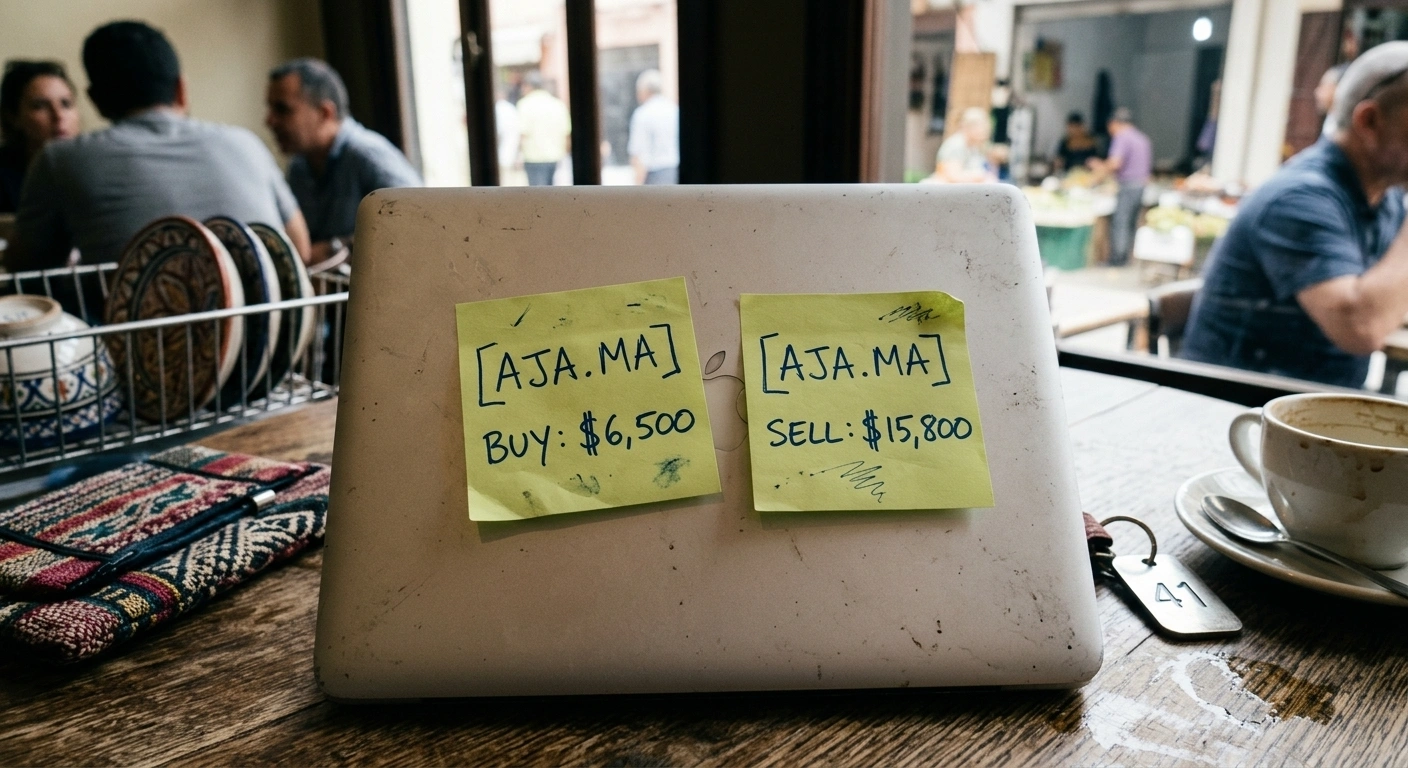
Introduction Imagine buying a plot of land for $10 and selling it a few months later for $5,000. While this is nearly impossible in the physical world, it happens every day in the digital realm. This practice is known as “Domain Flipping.” In 2026, as the world becomes increasingly digital, domain names have become the ultimate low-maintenance investment asset. Like traditional real estate, the goal is to buy low and sell high. However, succeeding in this field requires more than just luck; it requires strategy, patience, and a deep understanding of market trends.
1. What is Domain Flipping? At its core, domain flipping is the process of registering or purchasing a domain name with the sole intention of selling it to someone else for a profit. The “flip” can happen quickly (within days) or over several years.
- The Concept: You identify a name that has latent value—perhaps a trending keyword, a short acronym, or a brandable phrase—and secure it before a business or another investor does.
- Low Overhead: Unlike other businesses, domain flipping doesn’t require inventory, staff, or expensive software. Your only “rent” is the annual registration fee.
- High Scalability: You can manage a portfolio of thousands of domains from a laptop anywhere in the world.
2. How to Find Profitable Domains The secret to successful flipping is the “Buy.” If you buy a bad domain, no amount of marketing will help you sell it.
- Identify Emerging Trends: Look at industries that are exploding. In 2026, keywords related to “Green Energy,” “AI Ethics,” and “Space Logistics” are highly sought after.
- The “Radio Test” & Brevity: As we mentioned in our guide on 5 Essential Factors of Domain Value, a domain must be easy to pronounce and remember. If you have to spell it out, it’s probably not a good flip.
- Focus on Local Gems: Sometimes, a local niche is more profitable than a global one. For instance, a premium UAE-focused name can be a massive win, as explained in our article on Why .AE is Digital Gold.
3. The Step-by-Step Flipping Process To become a successful flipper, you should follow a disciplined workflow:
- Search & Acquire: Use auction sites like GoDaddy Auctions, Sedo, or NameJet to find expired or “dropped” domains that still hold value.
- Appraise: Before you list a domain for sale, you need to know its worth. Use our AI Valuation Tool to get an instant market estimate based on length, TLD, and keyword popularity.
- Park & Market: While waiting for a buyer, “park” your domain with a landing page that says “This Domain is For Sale.” This allows interested parties to contact you directly.
- Negotiate: Don’t accept the first offer immediately. Most professional flippers start with a “Buy It Now” price but are open to reasonable negotiations.
4. Common Pitfalls to Avoid Many beginners lose money by making these classic mistakes:
- Over-Investing in “Garbage”: Just because a domain is available doesn’t mean it’s valuable. Avoid domains with hyphens, weird spellings, or unpopular extensions.
- Trademark Infringement: Never register a domain that includes a trademarked brand name (e.g., BuyAppleIphone.com). Not only is it illegal, but the brand can take the domain from you for free through a UDRP filing.
- Lack of Patience: Domain flipping is not a “get rich quick” scheme. Some domains may take years to find the right buyer who is willing to pay the premium price.
Conclusion Domain flipping is one of the most exciting and accessible forms of investment in 2026. By combining market research with a sharp eye for branding, you can build a portfolio that appreciates over time. Remember, every “Million Dollar Sale” started with a single registration. Start small, use data-driven tools like our AI Appraisal, and stay consistent. The digital land rush is still in its early stages—position yourself today to profit tomorrow.