I’m Mostapha. I buy and sell names from Morocco. I am not your lawyer. This is how I try not to buy a complaint. The checker does not see trademarks on purpose: Domain Value Checker, how we score, FAQ. Pretty letters can still be someone else’s mark. The corporate twin of this URL is a refusal: you don’t need a UDRP framework if you never buy the fight.
What UDRP actually is
ICANN’s Uniform Domain-Name Dispute-Resolution Policy. WIPO runs many of the cases: domain name disputes. In short, a complainant typically has to show the name is confusingly like their mark, you have no legitimate interest, and you registered and used it in bad faith. If they win, the name can move. That is a valuation fact, same family as a dirty Wayback not a side quest.
High-risk: famous brand + shop, typos of companies, names you only priced because the brand might pay you to go away, ads that impersonate. Lower-risk: generic words, a brand you actually built, a local descriptive that is not one company’s name. Voice.com is not the same object as brand-outlet.com.
Before the bid
- Checker. Weak leftover + a famous word is two reasons to walk.
- USPTO search, Google the string + “trademark,” app stores. Think like a customer, not like a keyword tool.
- History still: snapshots. Aged brand leftovers are not treasures: someone else’s problems.
- If you would only sell it to that company, you are in the bad-faith neighborhood. Don’t. Before you buy.
Leasing a colliding name to a tenant who will play dress-up is still your fight: lease only keepers. Listing five prices does not wash it: one honest ask or a drop.

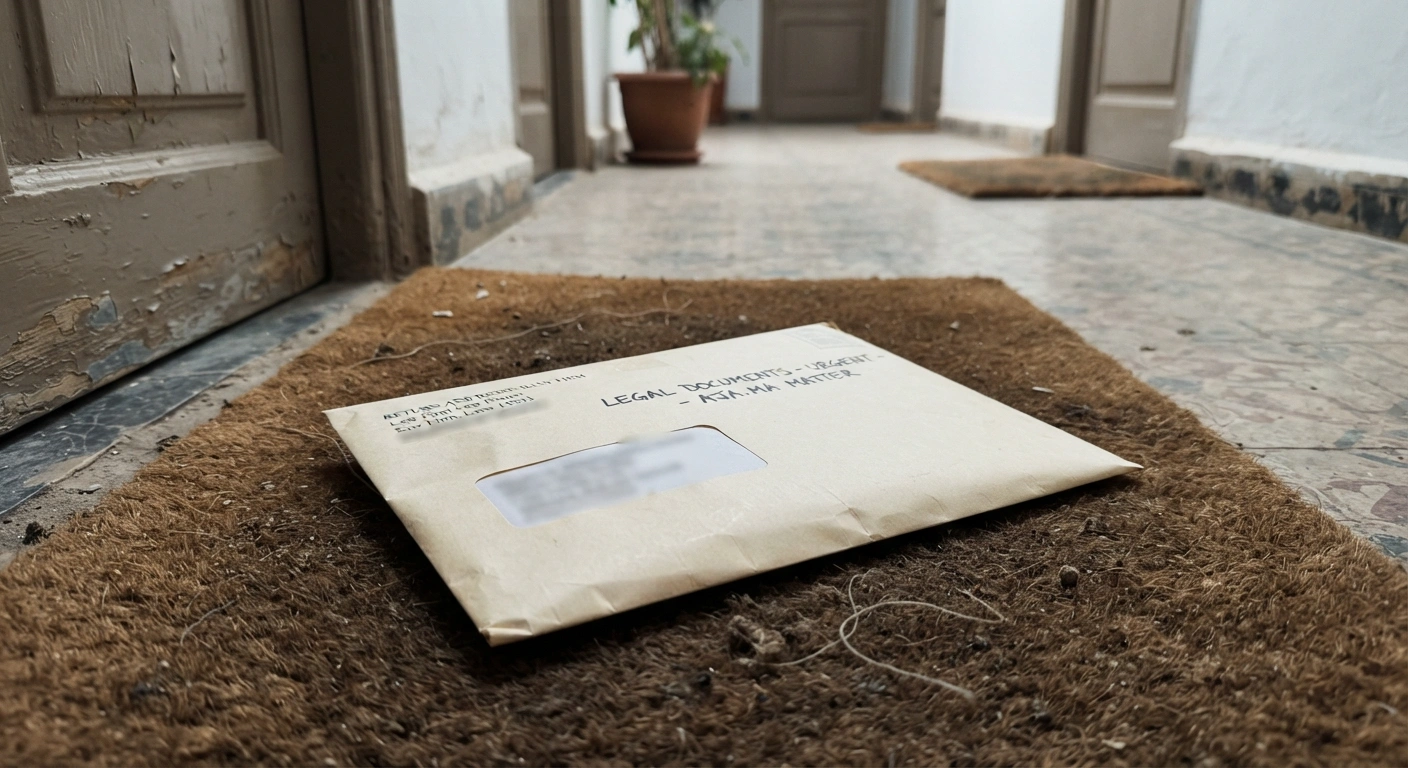
If a letter or a complaint lands
Read it. Deadlines are short. Do not panic-unlock, and do not invent a “business” overnight. That is not a hijack freeze (theft is this page). WIPO’s guide to the UDRP is the map. If the checker already said leftover, the cheapest defense is to stop digging. Selling during a dispute without disclosure is how you deserve the next problem: a push is still a transfer of the fight.
Decision
Buy words you would print without someone else’s logo in your head. Keepers: lock and renew: security 101. Keep the Google row. Legal battles in 2026 was perfume. The investor job is: don’t pick a fight you will not fund.