People rarely lose money on one great name. They lose it on 80 forgettable ones.
The failure is usually quiet. No dramatic hijacking. No UDRP letter. Just renewals, no offers, and a folder that felt like a business.
The cheap-name trap
A $12 registration feels harmless. A hundred of them do not.
If a name is still available to register today, the market already passed. That does not mean every available name is worthless. It means “it was free to create” is not evidence of demand.
The names that sit forever look like this:
- too long
- hyphenated
- misspelled on purpose
- built from last year’s buzzword
- sitting on an extension nobody pays retail for
You do not need a sophisticated model to see it. You need to ask who would put the name on a business card.
Renewal is the real loss
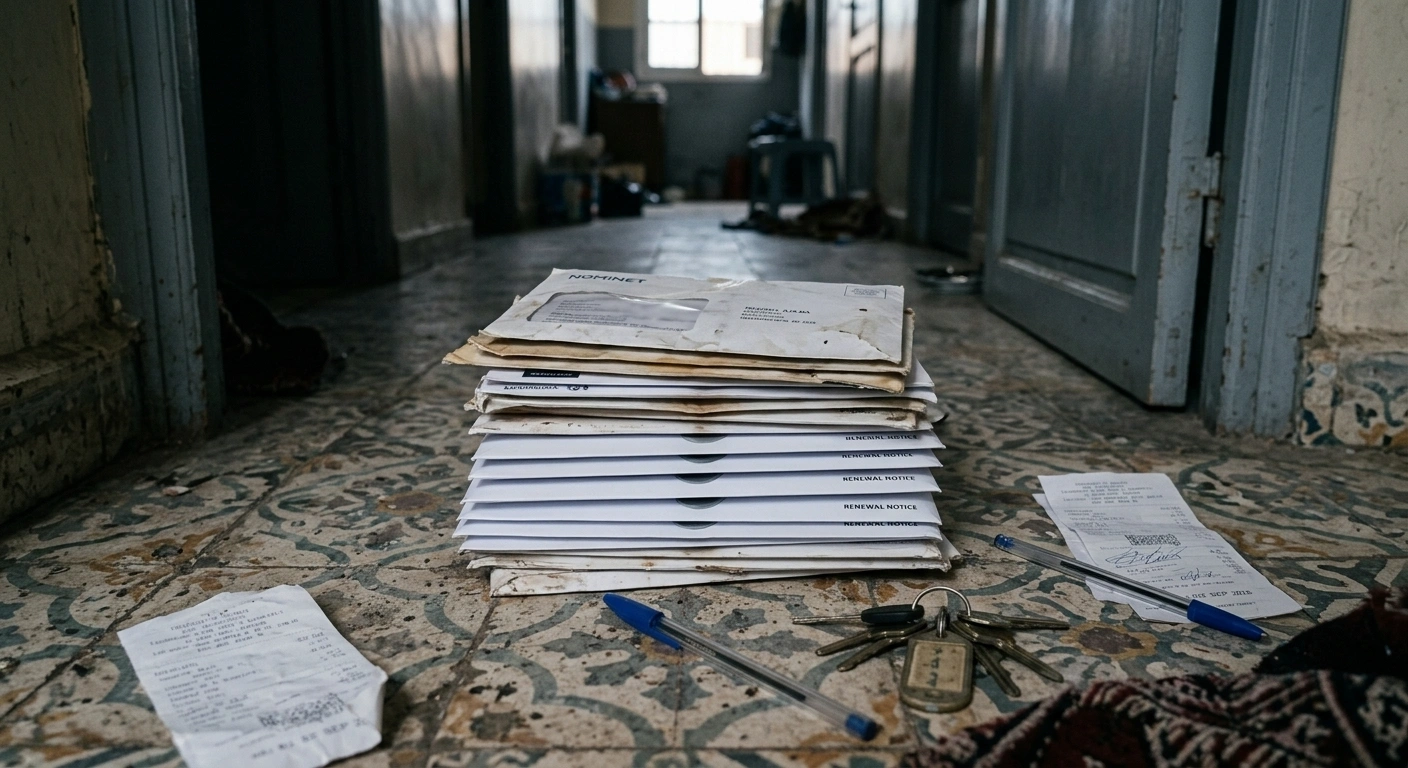
Purchase price is the obvious number. Renewal is the one that finishes the portfolio.
Keep a name if it gets inquiries, has real comps, or has a buyer you can name. Drop it if the only argument is “maybe later.” Later has a price every year.
This is also why renewing early is for assets, not for clutter. Pay ahead for the names you would hate to lose. Let the rest expire on purpose.
Overpaying at auction
Auction rooms punish hesitation and reward stories.
Someone sees an aged domain, a high metric, a keyword that “must be worth thousands,” then bids retail. After fees and time, there is no flip left. Wholesale and retail are different prices. If you are selling to other investors, you cannot buy like an end user.
Write the maximum bid before the countdown starts. Then obey it.
Buying a metric instead of a name
DR, DA, “aged,” “SEO juice”: these are how weak names get dressed up.
A spam past does not become an asset because a tool shows a number. Google may already distrust the domain. Email may already be damaged. The next owner inherits that. Do the history audit first. If the past is dirty, the price should be near zero.
Buying someone else’s brand
If the whole value of the name is that it looks like a famous company, you do not have an investment. You have a dispute waiting.
Generic words and original brandables are a market. Targeting Nike, banks, or a startup everyone knows is how names get taken away. Read the trademark and UDRP piece before you invent a story about “fair use.”
What actually survives
The portfolios that last are impolite to their own inventory.
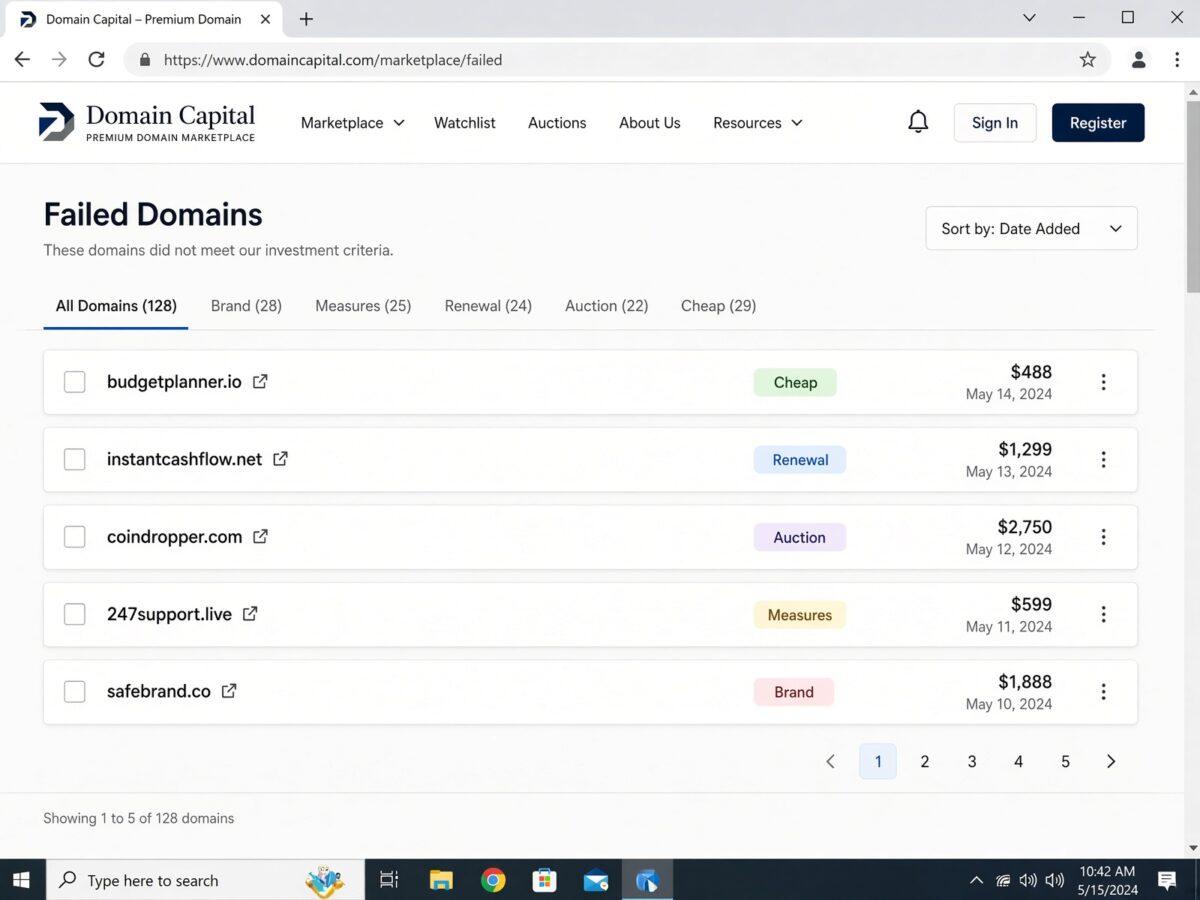
They own fewer names. They can explain each one in a sentence. They sell. They lease a few. They drop without romance. They reinvest into better quality, not into another bulk registration.
If you cannot flip it, lease it, or use it, it does not belong in the list. A domain with no exit is a hobby.
Compare actual sales on NameBio. If you cannot find anything in the same neighborhood, you are guessing.
The only checklist that matters
- Who is the buyer?
- Why this name instead of a cheaper one?
- What did similar names actually sell for?
- Is the history clean?
- Can I keep this through next year’s renewal without hoping?
Two weak answers are enough to skip.
A domain business is not proven by how many names you hold. It is proven by names you can defend after the excitement of buying them has gone.